Understanding the Models
Outsourcing and staff augmentation are often confused but serve different strategic purposes. Choosing the right model depends on your desired level of control, project complexity, and long-term business goals. This guide breaks down both models, compares them side by side, and helps you determine which approach — or combination — delivers the best results for your organization.
Staff Augmentation
With staff augmentation, you add external professionals to your existing team. They work under your management, use your tools, and follow your processes. They're essentially an extension of your in-house team, filling skill gaps or adding capacity without the overhead of permanent hires.
Best for: Companies that want to maintain full project control while scaling specific skill sets quickly.
Key Characteristics
- You retain direct management of augmented staff
- Professionals integrate with your existing team and workflows
- Ideal for specific skill gaps, peak periods, or phased scaling
- Flexible engagement duration — from weeks to years
- Full transparency over individual performance and output
Full Outsourcing
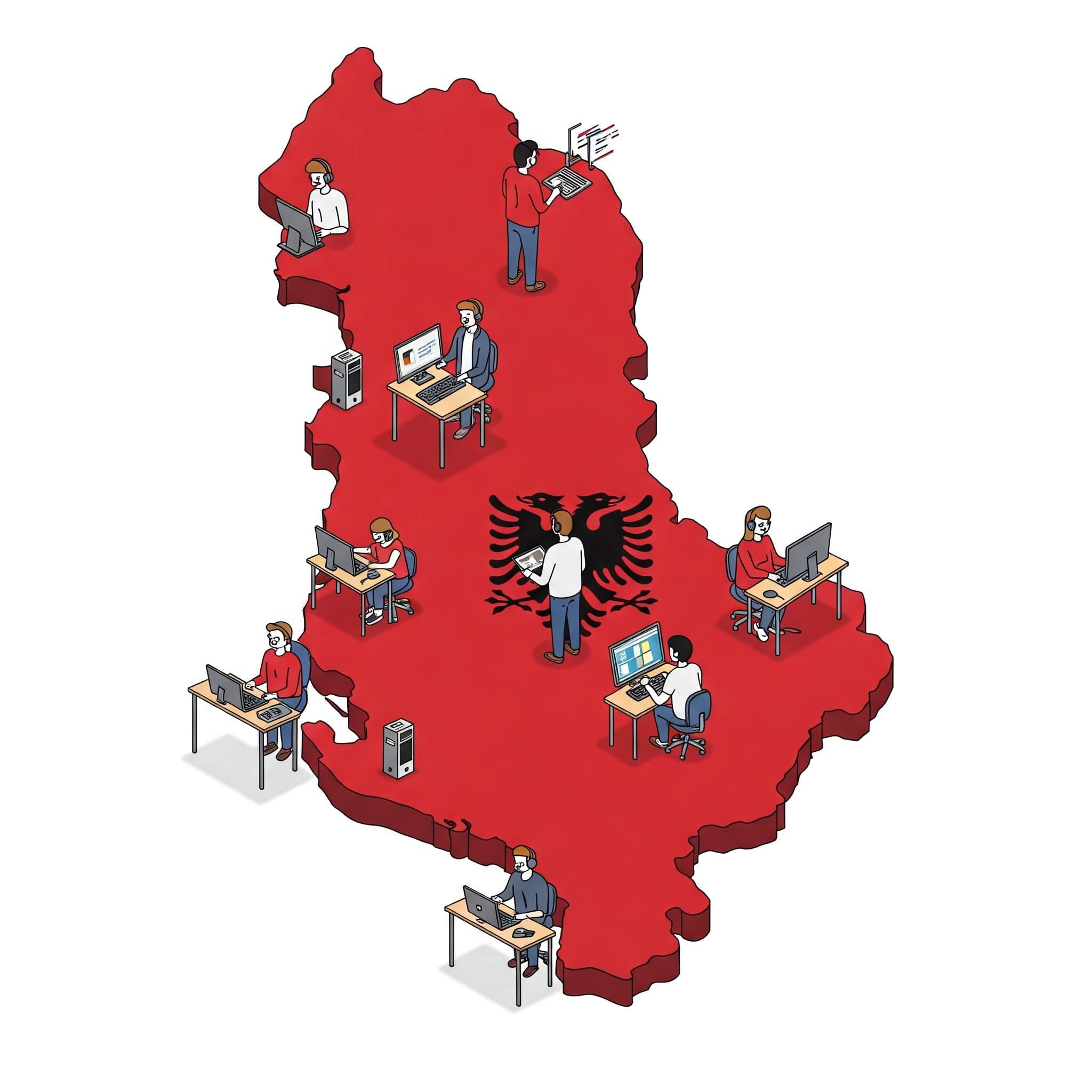
With outsourcing, you delegate an entire function or project to an external team. The provider manages the work, team composition, and delivery timeline. You define requirements, set milestones, and review outcomes — but the day-to-day execution is handled externally.
Best for: Companies wanting to offload entire operations or non-core functions to focus on strategic priorities.
Key Characteristics
- The provider manages team hiring, training, and operations
- Deliverables and SLAs define the engagement, not individual hours
- Ideal for complete functions: customer support, finance & accounting, software development
- Reduced management overhead on your side
- Provider assumes operational risk for delivery
Side-by-Side Comparison
| Factor | Staff Augmentation | Full Outsourcing |
|---|---|---|
| Management | You manage directly | Provider manages |
| Control level | High | Medium (outcome-based) |
| Speed to start | 48–72 hours | 2–4 weeks |
| Scalability | Add/remove individuals | Scale entire teams |
| Cost structure | Per-person, per-month | Project-based or retainer |
| Best for | Skill gaps, team scaling | Non-core functions, full projects |
| Risk | Shared (you + provider) | Primarily on provider |
When to Combine Both Models
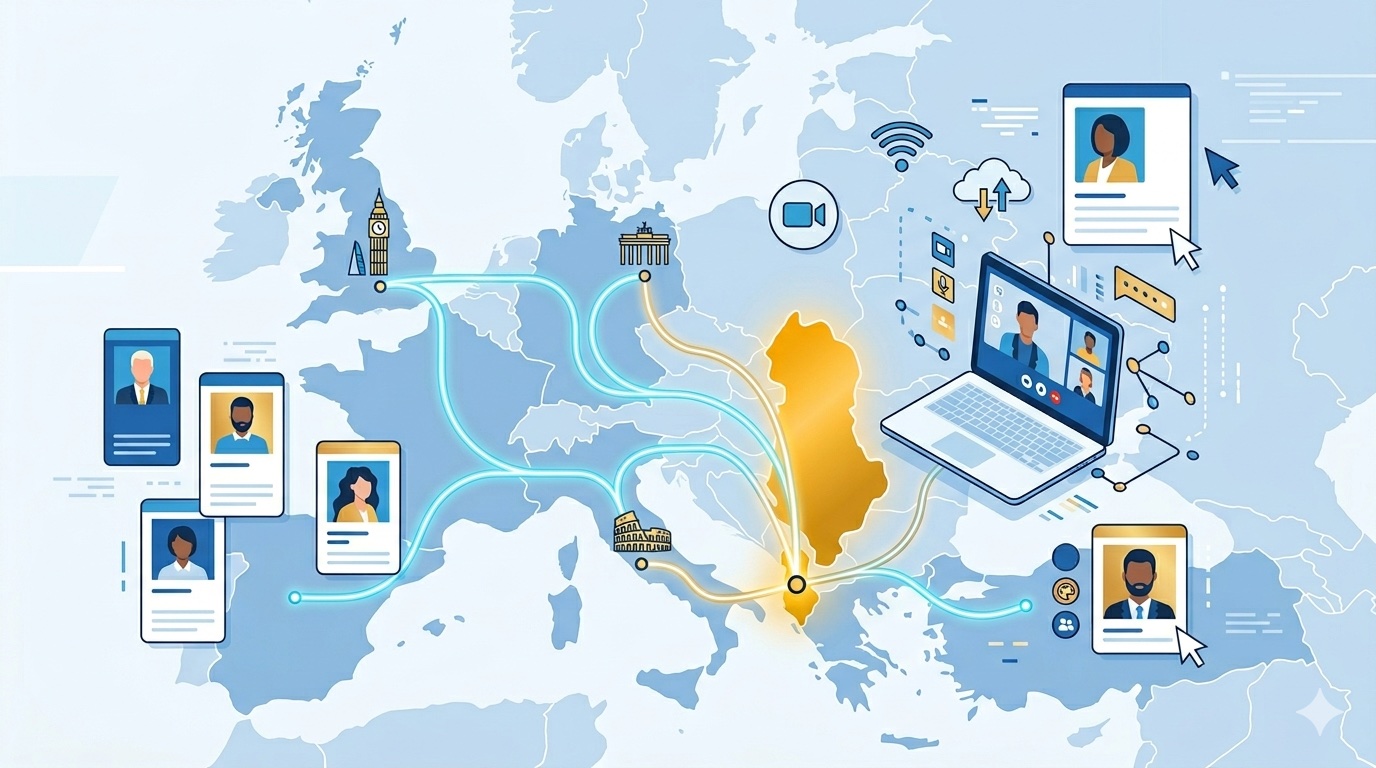
Many companies achieve the best results by combining both approaches. For example, you might outsource your entire customer support operation to a dedicated Albanian team while using staff augmentation to embed senior developers into your core engineering team. This hybrid strategy maximizes cost savings and operational efficiency while keeping strategic functions under direct control.
Why Albania for Both Models
Albania offers compelling advantages for both outsourcing and staff augmentation:
- Cost savings of 40–60% compared to Western European equivalents
- CET/CEST time zone enabling real-time collaboration across Europe
- Multilingual workforce fluent in English, Italian, and often German
- EU-aligned legal framework providing familiar contract and IP protections
- Young, educated talent pool across technology, engineering, finance, and creative fields
Get Started
Whether you need to augment your team with specific skills or outsource an entire department, HireAlbania delivers pre-vetted Albanian professionals tailored to your requirements. Contact us for a free consultation and receive a custom proposal within 48 hours.